Search

Radiation therapy, sometimes called radiotherapy, is the careful use of radiation to treat cancer safely and effectively. Radiation oncologists use radiation therapy to try to cure cancer, control cancer growth or relieve symptoms, such as pain.
Radiation therapy works within cancer cells by damaging their ability to multiply. When these cells die, the body naturally eliminates them. Healthy cells are also affected by radiation, but they can repair themselves in a way that cancer cells cannot.
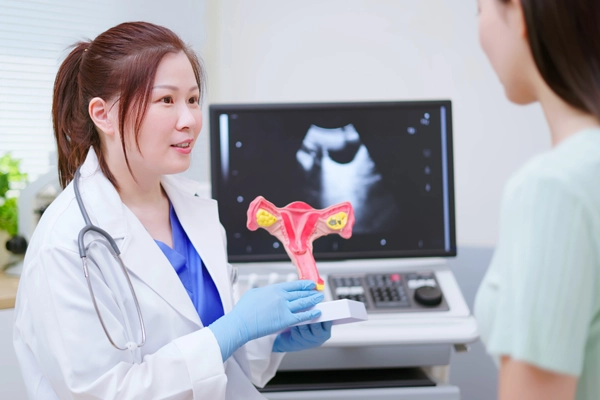
There are two types of radiation therapy. External beam radiation therapy directs radiation beams at the cancer from outside your body. Internal radiation therapy, or brachytherapy, is delivered with radioactive sources that are temporarily placed into the vagina, uterus and/or surrounding tissues to kill the cancer cells.
External beam radiation therapy involves a series of daily outpatient treatments to accurately deliver radiation to the cancer. Treatments are painless. They are usually given in a series of daily sessions, Monday through Friday, for up to five to six weeks.
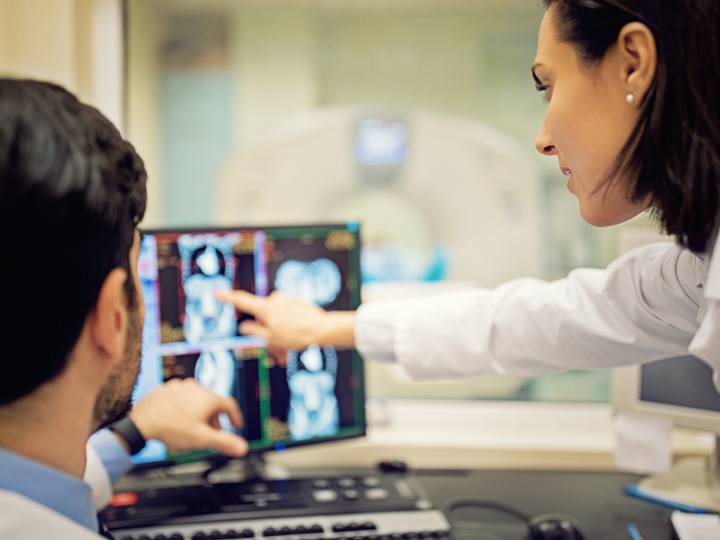
Before beginning treatment, you will be scheduled for a planning session to map out the treatment area. This procedure is called a simulation. Simulation involves having a CT scan and possibly an MRI, which can help visualize soft tissues near the cancer. You may also receive small pen marks or tattoos on your skin at the simulation that will help the radiation therapists precisely position you each time for daily treatment. Typically, radiation therapy is done with high energy X-rays, also called photons. Another form of external radiation is proton beam therapy (PBT), which, in certain rare circumstances, may reduce radiation dose to normal parts of the body not involved by the cancer.
Different techniques can be used for treatment. Three-dimensional conformal radiotherapy (3-D CRT) combines multiple radiation treatment fields to deliver precise doses of radiation to the affected area. Tailoring each of the radiation beams to focus on the tumor delivers a high dose of radiation to the tumor and lowers the dose to nearby healthy tissue. Intensity modulated radiation therapy (IMRT) is another advance in the delivery of radiation therapy.
Modifying the intensity of the radiation within each of the beams allows more precise adjustment of doses delivered to the tissues within the target area. Your radiation oncologist will evaluate you for the best form of treatment.
Sometimes radiation is placed inside the body to get the source of the radiation as close to the tumor as possible. This type of radiation therapy is called brachytherapy. In gynecologic cancers, this is often a very important part of treatment and it is commonly utilized. Other names for this type of treatment besides internal radiation therapy or brachytherapy including interstitial implants and intracavitary implants. Brachytherapy can be done alone or in combination with external radiation therapy.
Usually, the radiation source is placed inside the body for short periods of time and then taken out. Your radiation oncologist will discuss with you whether brachytherapy will be used alone or with standard radiation therapy to treat your type of cancer.
High-dose-rate (HDR) brachytherapy does not usually require that you be admitted to the hospital and is now the most commonly used type of brachytherapy for this type of cancer. A typical course of treatment involves three to six high-dose-rate brachytherapy treatments given one to two times per week. Low-dose- rate (LDR) brachytherapy is delivered in a single continuous treatment over the course of 48 to 72 hours. You will be admitted to the hospital to receive this treatment. This is less commonly used.
Surgery is an important part of treatment for many tumors of the female reproductive system. A gynecologic oncologist is a doctor who specializes in surgically removing and treating gynecologic cancers.
For uterine and cervical cancers, surgery usually involves the removal of the uterus and cervix, called a hysterectomy. The surgeon may also remove lymph nodes and check for any cancer cells within the fluid within the abdomen. For less common tumors like vulvar cancer, surgery is more likely to involve removing part or all of the vulva and sampling lymph nodes.
Surgery and radiation can be combined to help lower the risk of recurrence of cancer after surgery, but this strategy varies based upon the disease and stage (how much the tumor seems to have spread).
In cases where radiation is the main treatment, it is often still important to keep your surgeon involved in follow-up after radiation to monitor for signs of recurrence.
Anti-cancer drugs known as chemotherapy have been proven to improve cancer cure rates in certain gynecologic cancer patients. These medications are used in a variety of different cancers and tend to be used for stage III and IV gynecologic cancers. The dose and schedule for treatment varies, and chemotherapy can be done either alone or with radiation therapy. Because chemotherapy recommendations vary significantly depending on disease and stage, it is important to discuss this with a medical oncologist or gynecologic oncologist (surgeon). Both can prescribe chemotherapy for gynecologic cancers. Talk with your surgeon about whether you need a separate appointment with a medical oncologist for evaluation or treatment.